
"Is This Normal After a Dental Implant?" A Week-by-Week Healing Guide
After a dental implant, mild swelling, tenderness and temporary sensitivity are common during early healing. Most symptoms improve within days, while full integration with the jawbone takes several months. Understanding what is typical at each stage helps patients feel informed and confident during recovery.
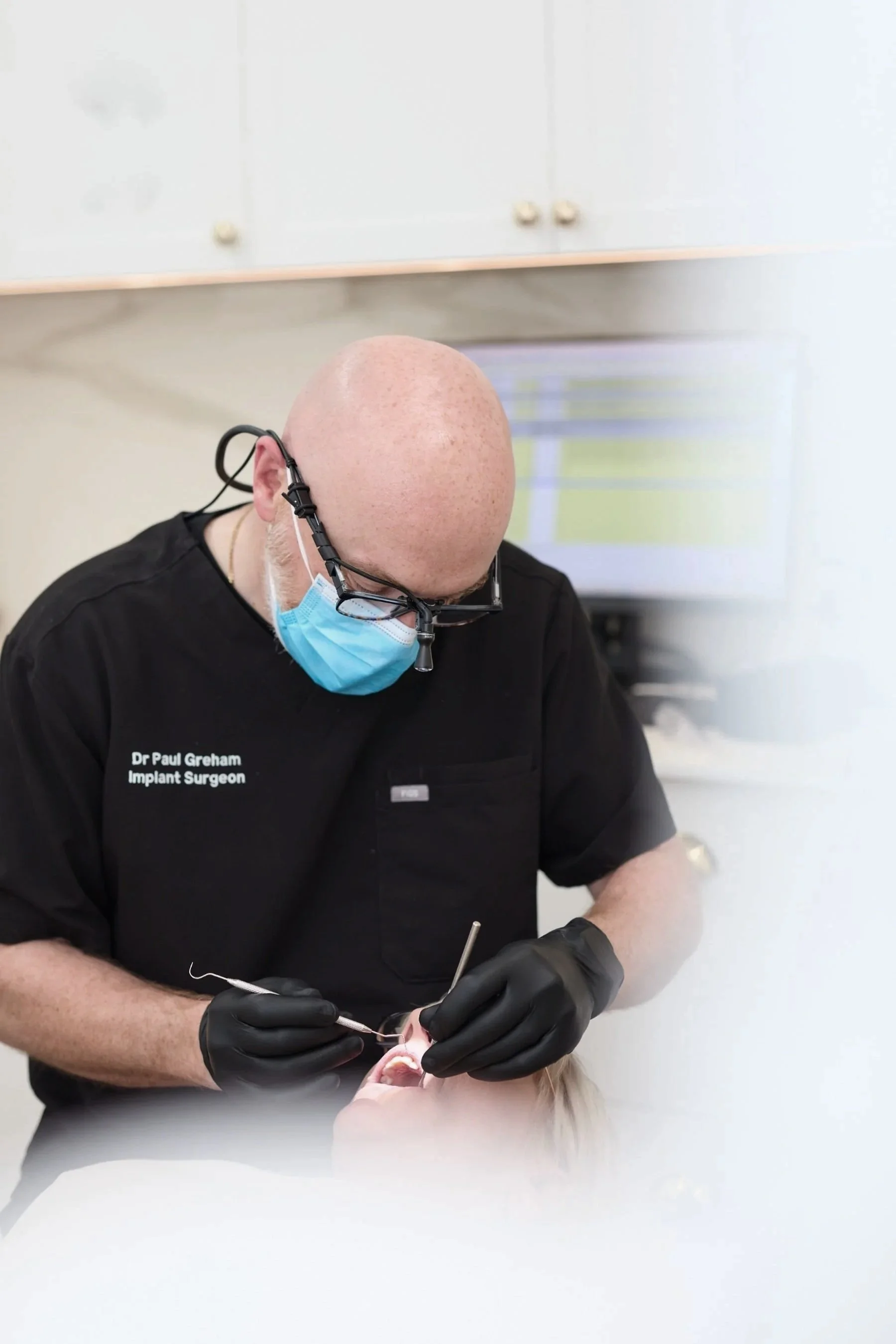
It is common to have questions after dental implant treatment.
Many patients find themselves wondering whether what they are feeling is typical, how long recovery should take, and when they should contact their dentist for advice.
Understanding the normal healing process can help you feel informed and reassured during recovery. If you are exploring implant treatment or would like an overview of how it works, you can read more about our approach to dental implant treatment in Launceston.
The First 24–48 Hours
In the first couple of days following implant placement, it is normal to experience:
Mild to moderate tenderness
Slight swelling around the treated area
Minor bleeding at the surgical site
Local anaesthetic is used during the procedure. Once it wears off, some discomfort may occur. This is usually manageable with the post-operative guidance provided by your dentist.
Swelling often peaks within the first two to three days before gradually settling.
Days 3–7: Early Healing
During the first week, most patients notice steady improvement.
You may experience:
Mild jaw stiffness
Tenderness when chewing on the treated side
Slight bruising around the area
These responses are part of the body’s natural healing process. By the end of the first week, discomfort typically reduces significantly.
If symptoms increase rather than improve, it is appropriate to contact your dentist for review.
Weeks 2–4: Surface Healing
By the second week, the gum tissue around the implant site generally appears more settled. Stitches, if placed, may dissolve or be removed during a follow-up visit.
At this stage:
Tenderness should be minimal
Swelling should have resolved
Normal daily activities are usually comfortable
Although the area may feel stable, the deeper healing process is still underway.
Months 2–4: Bone Integration
Dental implants require time to integrate with the surrounding bone, a process known as osseointegration. This stage occurs beneath the surface and is not usually associated with noticeable discomfort.
It is normal during this period to feel:
No pain
A firm, stable sensation in the area
Occasional awareness of the site when chewing firmer foods
Integration time varies depending on individual bone health and treatment planning. Your dentist will outline expected timelines based on your specific case.
What Is Not Typical?
While most implant recoveries are straightforward, certain signs should prompt a review:
Persistent or increasing pain
Ongoing swelling beyond the first week
A sensation that the implant feels loose
Signs of infection such as unusual discharge
These situations are uncommon, but early assessment is important if something feels unusual.
If you are unsure whether a symptom is typical, arranging a review with your Launceston dentist can provide clarity and reassurance.
Why Healing Times Vary
Every patient heals at a slightly different pace. Factors that influence recovery include:
Bone quality and volume
Gum health
Overall medical history
Whether additional procedures were required
Clear communication before treatment helps align expectations with the anticipated healing timeline.
When to Contact Your Dentist
If you are ever unsure whether a symptom is typical, it is appropriate to seek professional advice. Most concerns can be clarified promptly with a clinical review.
If you would like to discuss implant healing or arrange an appointment, you may do so through The Ruthy Clinic, where booking details and clinic information are available.
A Measured, Staged Process
Dental implant treatment is a structured, staged process designed to support long-term stability and function. Mild swelling, tenderness and gradual improvement over the first week are common experiences. Full integration takes longer but usually occurs quietly without discomfort.
Understanding what is typical at each stage allows you to approach healing with confidence and realistic expectations.
Disclaimer: This article is for general informational purposes only and does not replace individual clinical assessment. If you have specific concerns following treatment, please contact your dentist for personalised advice.