
I Haven’t Been to the Dentist in Years - Where Do I Even Start?
If you haven’t been to the dentist in years, the first step is a clinical assessment rather than immediate treatment. Dentists evaluate your teeth, gums and bite to determine priorities and plan care in stages. This guide explains what to expect when returning after a long gap and how treatment is structured.
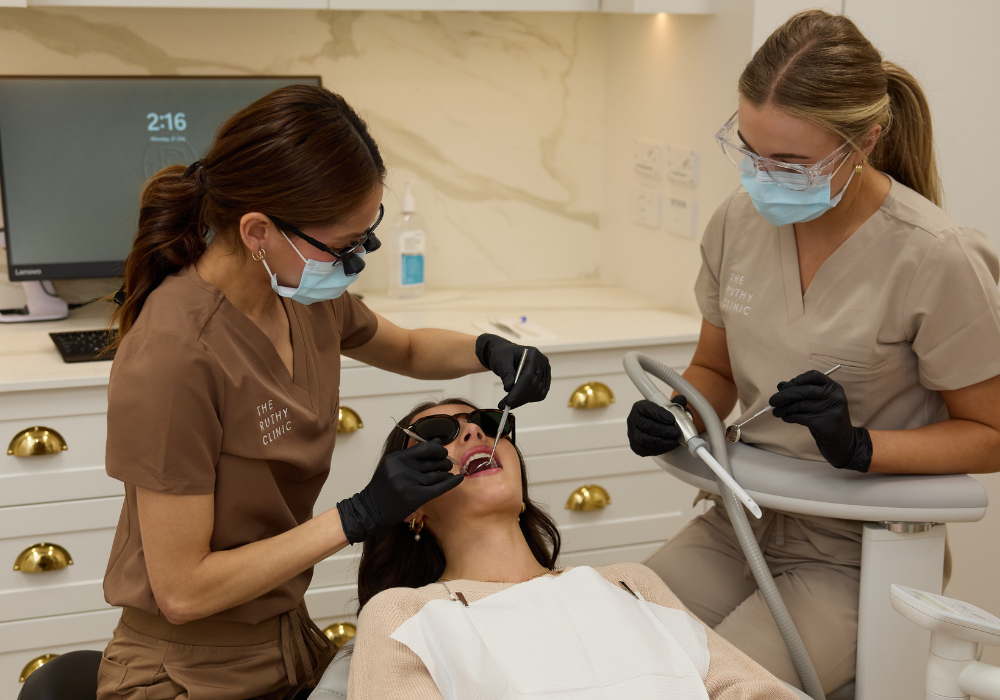
It is not unusual for dental visits to be delayed. What may begin as a short gap can extend over time, especially when previous experiences, uncertainty or competing priorities make it difficult to return.
For many patients, the decision to come back is prompted by a change that becomes harder to ignore. A tooth may feel different when chewing, gums may bleed more often, or there may be a growing concern that something has progressed beyond what can be managed at home.
At that point, the question shifts from whether to seek care to how to begin. The first step is not treatment, but understanding the current condition of the teeth and gums through a structured clinical assessment.
What Patients Often Notice Before Deciding to Return
People who have not attended for several years often describe a gradual build-up of concerns rather than a single event.
Common signs include:
Discomfort when biting or chewing
Changes in the appearance of a tooth
Ongoing gum bleeding or swelling
Difficulty using one side of the mouth
Alongside these symptoms, there is often hesitation. Some patients feel unsure about what may be found, while others are concerned about needing extensive work.
From a clinical perspective, the focus is not on how long it has been since the last visit, but on identifying what is currently present and how it can be managed appropriately.
What a Dentist Is Assessing During Your First Appointment
The first visit after a long gap is typically centred on gathering information rather than starting treatment.
This involves a detailed evaluation of:
Tooth structure, including areas of wear or decay
Gum health and signs of inflammation or recession
Existing dental work and its current condition
Bite alignment and how forces are distributed
Imaging may also be used where necessary to assess areas that cannot be seen directly.
This process allows the clinician to form an accurate picture of oral health before recommending any intervention. Patients attending a nearby dentist Newstead often find that having this clarity reduces uncertainty and helps them understand what is actually required.
How Treatment Priorities Are Determined
Once the assessment is complete, the next step is to decide what needs attention first. This is not always obvious from symptoms alone, as some issues may be more urgent clinically than they appear.
Dentists consider several factors when prioritising care:
Presence of infection or active decay
Stability of the gums and supporting bone
Risk of further deterioration if left untreated
Functional impact on chewing and comfort
For example, a painful or infected tooth is usually managed first, while other concerns may be addressed in stages. In some cases, stabilising gum health is necessary before moving forward with restorative work.
This structured approach helps ensure that treatment is both appropriate and predictable.
When Missing Teeth or Advanced Damage Are Involved
For some patients, a longer gap between visits may result in missing teeth or areas where the remaining structure is no longer stable.
In these situations, treatment planning expands to include replacement options. These may involve removable appliances, fixed bridges or implant-based solutions, depending on the clinical findings.
Patients often look into options such as dental implants Launceston, Tasmania when considering how to restore function over the longer term. Suitability for this type of treatment depends on factors such as bone volume, gum condition and overall oral health.
Where implants are not appropriate, alternative approaches are discussed to ensure care remains aligned with the patient’s needs and circumstances.
Why Dental Treatment Is Rarely Done All at Once
A common concern is that returning after a long absence will require everything to be treated immediately. In practice, care is usually delivered in stages.
This may involve:
Addressing urgent concerns first
Re-establishing gum health
Restoring damaged teeth progressively
Planning longer-term improvements where needed
Staging treatment allows the mouth to stabilise between visits and reduces the likelihood of complications. It also gives patients time to adjust and make decisions as they move through each phase.
Patients attending a nearby dental clinic Newstead often find that this approach makes the process more manageable and less overwhelming.
Concerns About Being “Too Late” to Fix Things
It is common for patients to feel that they may have waited too long and that their teeth are beyond repair.
This cannot be determined without a clinical examination. Teeth that appear significantly damaged may still be restorable, while others may require replacement depending on their structural integrity and surrounding support.
The dentist’s role is to evaluate:
The amount of remaining tooth structure
The condition of the surrounding bone
The health of the gums
The overall function of the bite
Based on these findings, treatment options are explained with consideration of both benefits and limitations.
Rebuilding Oral Health After the First Phase of Care
Once initial issues have been addressed, the focus shifts to maintaining stability and preventing recurrence.
This typically involves regular review appointments, monitoring of treated areas and ongoing preventive care. Establishing a consistent schedule helps reduce the likelihood of future problems and supports long-term outcomes.
For patients who have experienced extended gaps in care, this stage is often where confidence begins to rebuild.
Accessing Dental Care from Newstead and Surrounding Areas
Consistency in attendance is easier when the clinic is located nearby. Being able to return for follow-up and review appointments without difficulty supports continuity of care.
Patients commonly attend from Newstead as well as nearby suburbs including Riverside, Trevallyn, Legana, Mowbray, Invermay, Kings Meadows, South Launceston, Norwood, Prospect and Youngtown when seeking structured dental care close to central Launceston.
Moving Forward With a Clear Plan
Returning to the dentist Launceston after several years does not require committing to extensive treatment all at once. The first step is gaining a clear understanding of your current oral health and what options are available.
From there, care can be planned in stages, allowing you to move forward with a structured approach based on clinical findings and your individual circumstances.
Disclaimer: This article provides general information for patients who have delayed dental care. Individual conditions vary, and a clinical examination is required to determine appropriate treatment options. Always consult a qualified dental professional for personalised advice.