

Our Blog

What Does “Natural-Looking” Actually Mean in Facial Aesthetics?
A natural-looking facial aesthetics result supports balance without making the procedure itself the most noticeable feature. Planning considers facial anatomy, expression, skin quality, existing asymmetry, previous procedures and personal preferences. A consultation should assess the face at rest and in motion, explain realistic limitations and preserve the characteristics that make each person recognisable.
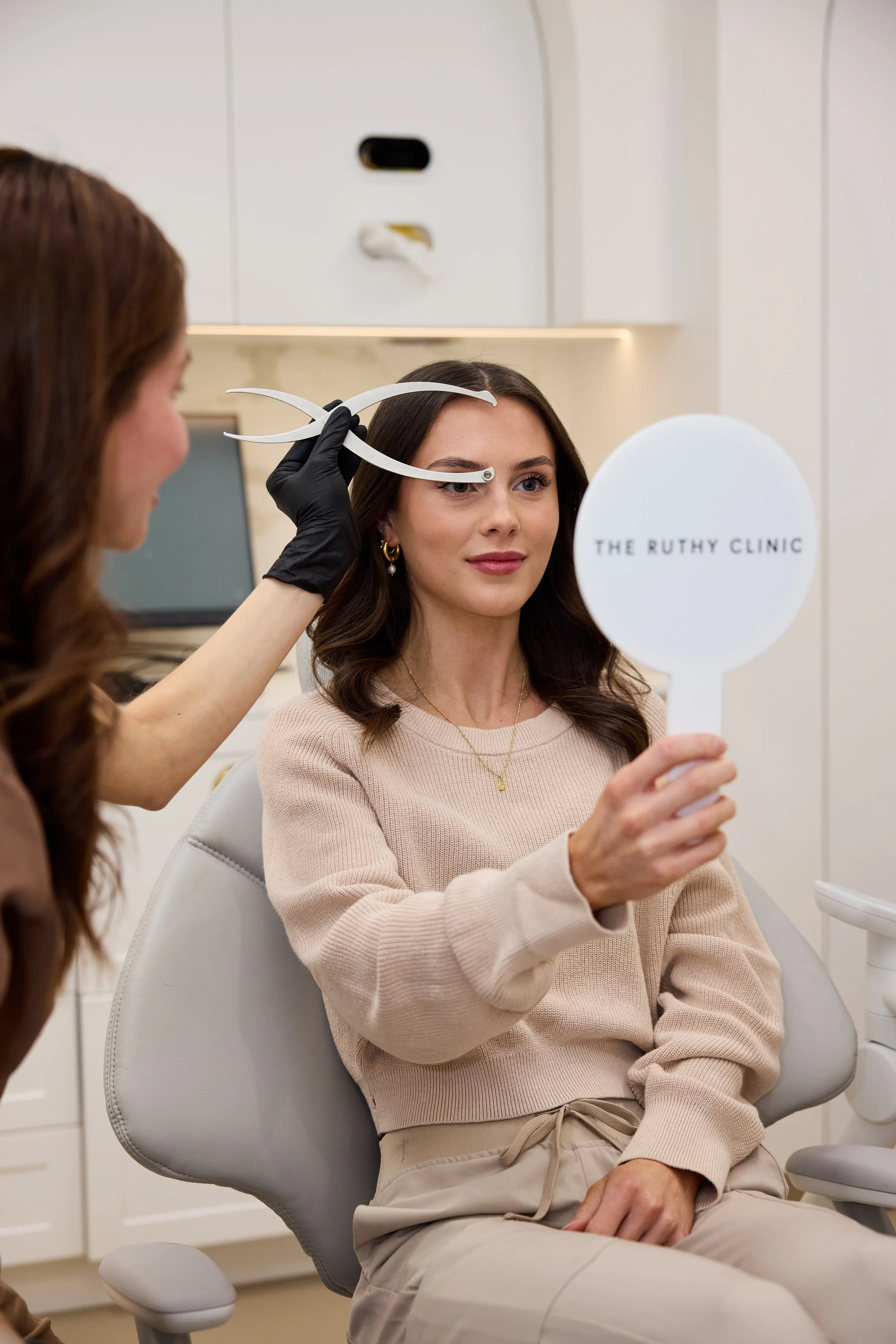
Why a Cosmetic Consultation May Recommend Less Than You Requested
A facial aesthetics practitioner may recommend less than a patient initially requested when a smaller or staged plan is more appropriate for their anatomy, movement, health history and goals. This allows time to assess the response, preserve familiar facial characteristics and avoid making several changes before the outcome of the first stage can be reviewed.
Does a Night Guard Stop Teeth Grinding or Only Protect the Teeth?
A night guard does not necessarily stop the jaw muscles from clenching or grinding during sleep. Its main role is usually to create a protective barrier between the teeth, reduce direct wear, and distribute pressure more evenly. The most suitable appliance depends on the patient’s symptoms, tooth wear, bite, jaw health, and sleeping habits.
Do All Early Cavities Need Fillings, or Can Some Be Monitored?
Not every early area of tooth decay immediately needs a filling. When the enamel surface remains intact, some lesions may be managed with fluoride, improved oral hygiene, dietary changes and regular monitoring. A filling is more likely to be recommended when decay has formed a cavity, reached dentine or continues to progress.
Root Canal or Extraction: What Determines Whether a Tooth Can Be Saved?
Whether a tooth can be saved depends on more than the presence of pain or infection. Dentists assess the remaining tooth structure, depth of decay, cracks, gum and bone support, root condition, bite forces, and whether the tooth can be restored reliably after root canal treatment.
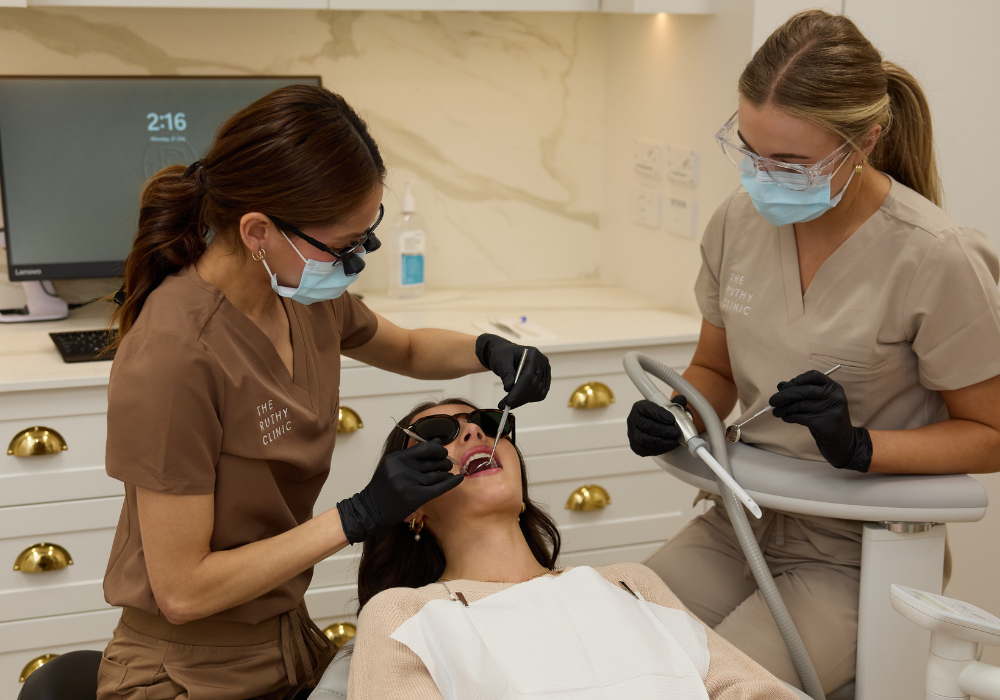
Why Your New Crown, Bridge or Invisalign Should Feel Comfortable — And What to Do If It Doesn't
A new Invisalign aligner, dental crown, or bridge may feel different during the first few days as your mouth adjusts, but it should not remain painful, excessively bulky, or interfere with your bite. At The Ruthy Clinic, careful treatment planning, bite assessment, and follow-up care help ensure restorations and aligners feel comfortable while supporting long-term oral health.
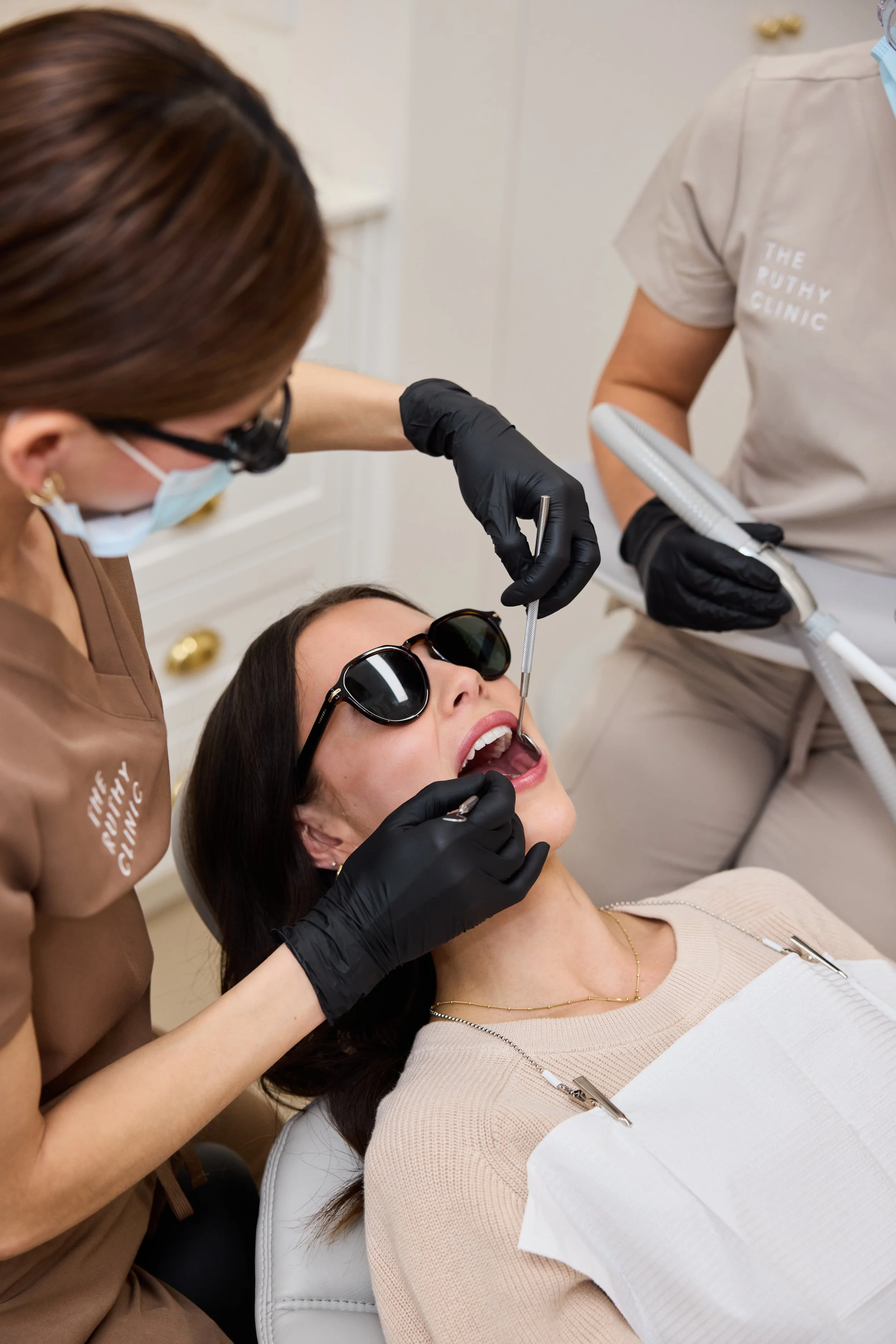
Do All Wisdom Teeth Really Need to Be Removed? Understanding When Monitoring May Be the Better Choice
Wisdom teeth do not automatically need to be removed simply because they have appeared. The decision depends on factors such as their position, oral hygiene, surrounding gum health, neighbouring teeth, and the likelihood of future complications. At The Ruthy Clinic, every recommendation begins with a thorough assessment to determine whether monitoring or removal is the most appropriate option for protecting long-term oral health.
Are Veneers Always the Best Cosmetic Option? When Conservative Treatment May Be Better
Veneers can improve the appearance of teeth affected by discolouration, wear, uneven shape, or minor spacing concerns, but they are not always the most suitable cosmetic option. Depending on the patient’s oral health, enamel condition, bite stability, and aesthetic goals, more conservative approaches may sometimes achieve the desired result while preserving more natural tooth structure.
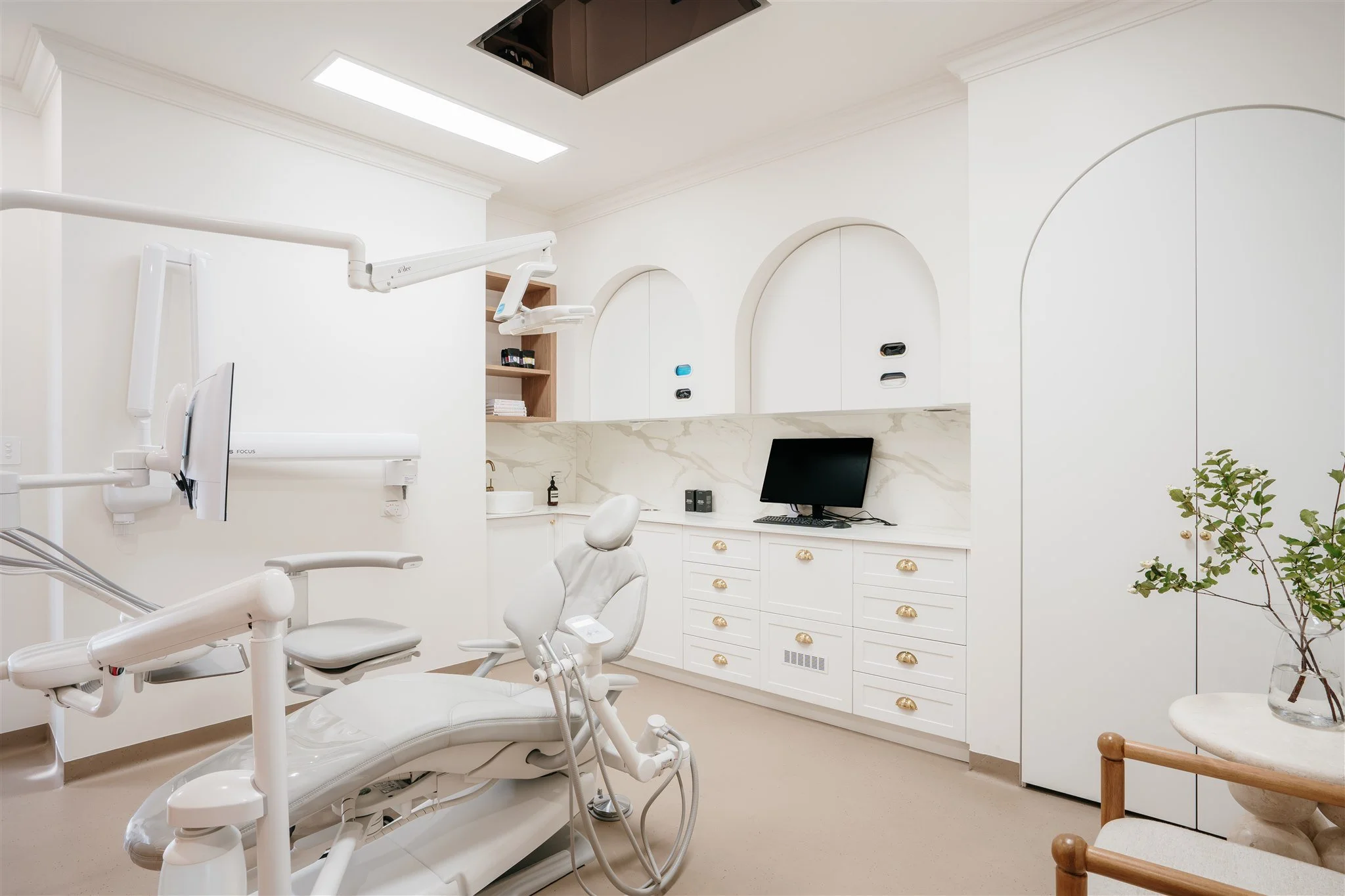
Why Some Cosmetic Dentistry Looks ‘Fake’ and How Smile Planning Differs
Cosmetic dentistry can appear unnatural when treatment planning does not adequately consider facial proportions, gum levels, bite function, tooth shape, or the patient’s existing features. Natural-looking cosmetic dental care usually focuses on harmony, proportion, and long-term function rather than trend-based smile design.
When a Toothache Stops You Sleeping: Signs It May Need Urgent Dental Attention
Tooth pain that disrupts sleep may indicate inflammation, infection, nerve involvement, or pressure building within the tooth or surrounding tissues. While not every toothache requires emergency treatment, symptoms such as swelling, persistent throbbing pain, fever, or difficulty sleeping should be assessed promptly by a dental professional.
Can Tooth Whitening Make Sensitive Teeth Worse? What Dentists Assess First
Tooth whitening can temporarily increase sensitivity in some people, particularly where enamel wear, gum recession, grinding, or existing dental problems are already present. A professional dental assessment helps identify whether whitening is suitable, which whitening approach may be more comfortable, and whether other treatment should occur before whitening begins.
I Haven’t Been to the Dentist in Years - Where Do I Even Start?
If you haven’t been to the dentist in years, the first step is a clinical assessment rather than immediate treatment. Dentists evaluate your teeth, gums and bite to determine priorities and plan care in stages. This guide explains what to expect when returning after a long gap and how treatment is structured.
Do Dental Implants Feel Different to Natural Teeth?
Dental implants do not feel exactly like natural teeth, but they can function in a very similar way once integrated. This guide explains how implants behave during chewing, what differences patients may notice, and how dentists assess long-term comfort and stability.
Can a Missing Back Tooth Affect Other Teeth?
A missing back tooth can gradually influence neighbouring teeth, bite alignment and jawbone stability. While some people function comfortably at first, long-term structural changes may occur. Understanding these effects helps patients make informed decisions about whether to replace a molar with options such as dental implants.
"Is This Normal After a Dental Implant?" A Week-by-Week Healing Guide
After a dental implant, mild swelling, tenderness and temporary sensitivity are common during early healing. Most symptoms improve within days, while full integration with the jawbone takes several months. Understanding what is typical at each stage helps patients feel informed and confident during recovery.