
Cosmetic dentistry can appear unnatural when treatment planning does not adequately consider facial proportions, gum levels, bite function, tooth shape, or the patient’s existing features. Natural-looking cosmetic dental care usually focuses on harmony, proportion, and long-term function rather than trend-based smile design.
Patients considering cosmetic dentistry often bring the same concern into consultations, even when they struggle to describe it directly.
They do not necessarily want “perfect” teeth.
What many people are actually trying to avoid is a smile that looks too uniform, too opaque, too square, or disconnected from the rest of their face. Some describe cosmetic dental work online as looking “too big” or “too white.” Others say certain smiles appear artificial even when the teeth themselves seem technically straight.
This reaction is usually not about cosmetic dentistry itself. It is more often related to how the treatment was planned.
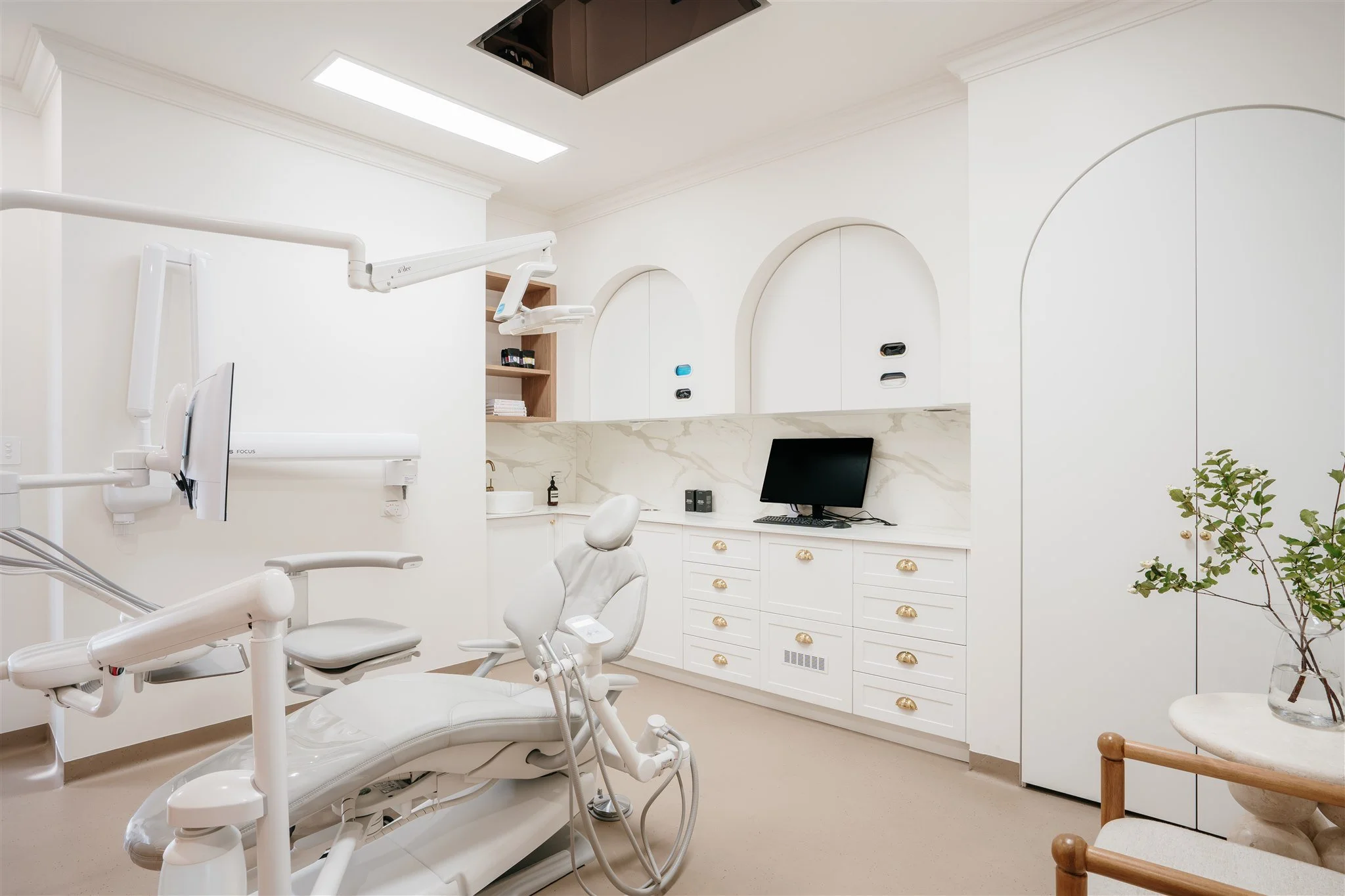
At The Ruthy Clinic, aesthetic dental care is approached with consideration of facial balance, natural tooth characteristics, and long-term function rather than trend-driven smile design. Patients exploring treatment through a dentist Launceston consultation are frequently looking for refinement that still feels recognisable and natural to them.
Natural Teeth Are Not Completely Symmetrical
One reason some cosmetic dental work appears artificial is that natural teeth are not perfectly identical.
Real enamel contains subtle variation in:
Surface texture
Edge translucency
Light reflection
Shape transitions
Minor asymmetries
Natural wear patterns
When every tooth is made to appear extremely uniform, the smile can lose some of the depth and softness normally seen in natural enamel.
This does not mean cosmetic dentistry should intentionally look uneven. Instead, successful smile planning often involves understanding where balance should be refined and where natural character should still remain.
Bright White Teeth Do Not Always Look Younger or Healthier
Social media filters and heavily edited cosmetic images have changed how many people think teeth are “supposed” to look.
As a result, some patients become concerned that their teeth are not white enough even when the enamel itself appears healthy.
Extremely opaque or very bright shades can sometimes create contrast that draws attention away from the overall face rather than complementing it.
Tooth colour is also influenced by:
Skin tone
Lip shape
Age-related enamel changes
Existing restorations
Lighting conditions
Facial proportions
This is one reason cosmetic smile planning generally involves more than selecting the lightest available shade.
Patients considering teeth whitening Launceston treatment are often surprised that subtle shade improvement may appear more natural and balanced than dramatic whitening.
Why Tooth Shape Matters More Than Many People Realise
Two smiles can have the exact same tooth colour while creating completely different overall impressions.
Shape, contour, and proportions play a major role in whether cosmetic dentistry appears soft and natural or overly noticeable.
For example:
Teeth that are too square may appear heavy or flat
Excessively rounded edges may look artificial in some faces
Overly long front teeth can affect facial balance
Uniform widths across the smile may reduce natural transition between teeth
Smile planning usually considers how tooth proportions interact with facial features rather than treating teeth as isolated cosmetic elements.
Gum Position Influences Smile Aesthetics
Patients sometimes focus only on the teeth themselves without realising the gums contribute significantly to smile balance.
Uneven gum levels, inflammation, recession, or excessive gum display can influence how cosmetic work appears overall.
This is why comprehensive cosmetic assessment often includes:
Gum health evaluation
Smile line analysis
Lip movement assessment
Tooth-to-gum proportion review
In some situations, cosmetic concerns that initially appear to require veneers may actually relate more closely to gum position or enamel wear.
Cosmetic Dentistry That Ignores Bite Function Often Ages Poorly
A smile may initially look appealing cosmetically but become uncomfortable or unstable over time if bite function is not considered properly.
Patients discussing cosmetic treatment online frequently describe veneers or bonding feeling “bulky” or unusual during speech and eating. In many situations, this relates to how the restorations interact with bite forces, tongue movement, or existing grinding patterns.
Before aesthetic treatment begins, assessment may include:
Jaw movement
Bite pressure distribution
Existing tooth wear
Grinding or clenching habits
Speech dynamics
Stability of surrounding teeth
Long-term cosmetic dentistry generally requires both aesthetic and functional planning rather than focusing solely on appearance.
Why Trend-Based Cosmetic Dentistry Can Become Problematic
Online cosmetic trends move quickly.
Smile styles that become popular on social media are not always designed around the individual patient’s face, age, or dental health. Some trends prioritise visual impact in photographs while overlooking how the smile appears during speech, movement, or close conversation.
Patients occasionally request:
Very bright opaque shades
Extremely uniform teeth
Aggressive reshaping
Smile designs copied from celebrities or influencers
Part of ethical cosmetic planning involves discussing whether a requested style is likely to integrate naturally with the patient’s own features and oral health.
For some people, preserving individuality becomes more important than recreating a trending cosmetic aesthetic.
Conservative Cosmetic Dentistry Often Produces Softer Results
Aesthetic improvement does not always require dramatic alteration.
In some situations, subtle changes in contour, shade, enamel texture, or tooth proportions can improve smile harmony without significantly changing the patient’s appearance.
This may involve:
Whitening rather than veneers
Minor reshaping
Composite bonding
Orthodontic alignment
Replacement of ageing restorations
Staged cosmetic planning
Patients seeking veneers Launceston treatment are often reassured to learn that cosmetic planning can still remain conservative and individualised.
Why Some Patients Regret Cosmetic Dental Treatment
Regret is not always linked to poor clinical work.
Sometimes the result simply does not feel like the patient expected emotionally or visually.
This can occur where:
Expectations were unrealistic
Smile planning discussions were limited
Cosmetic trends influenced decision-making
The treatment changed the patient’s appearance more dramatically than anticipated
Function or comfort was not discussed adequately beforehand
Comprehensive consultation and open discussion often play an important role in helping patients understand both the possibilities and limitations of cosmetic treatment.
Cosmetic Dentistry Is Not Only About Appearance
Aesthetic concerns are often connected to broader dental factors including wear, grinding, bite instability, ageing restorations, or enamel loss.
For some patients, cosmetic treatment planning becomes part of supporting:
Long-term tooth preservation
Improved function
Better restoration stability
Protection of worn enamel
Oral health maintenance
This is one reason cosmetic dentistry is usually approached most carefully when both health and appearance are considered together.
Cosmetic Smile Planning Across Greater Launceston
Patients often attend cosmetic consultations in Launceston when they want guidance around subtle smile improvement rather than dramatic cosmetic change.
People from Newstead, Trevallyn, Legana, and Riverside commonly seek assessment for worn teeth, uneven edges, discolouration, smile asymmetry, or cosmetic work completed previously that no longer feels natural.
Many patients value a personalised approach that considers facial harmony, function, and long-term oral health alongside appearance.
Disclaimer: The information in this article is for general educational purposes only and does not replace personalised dental advice. Cosmetic dental suitability, treatment outcomes, and long-term maintenance vary between individuals. Always consult a qualified dental practitioner regarding your oral health, cosmetic concerns, and treatment options.