
Are Veneers Always the Best Cosmetic Option? When Conservative Treatment May Be Better
Veneers can improve the appearance of teeth affected by discolouration, wear, uneven shape, or minor spacing concerns, but they are not always the most suitable cosmetic option. Depending on the patient’s oral health, enamel condition, bite stability, and aesthetic goals, more conservative approaches may sometimes achieve the desired result while preserving more natural tooth structure.
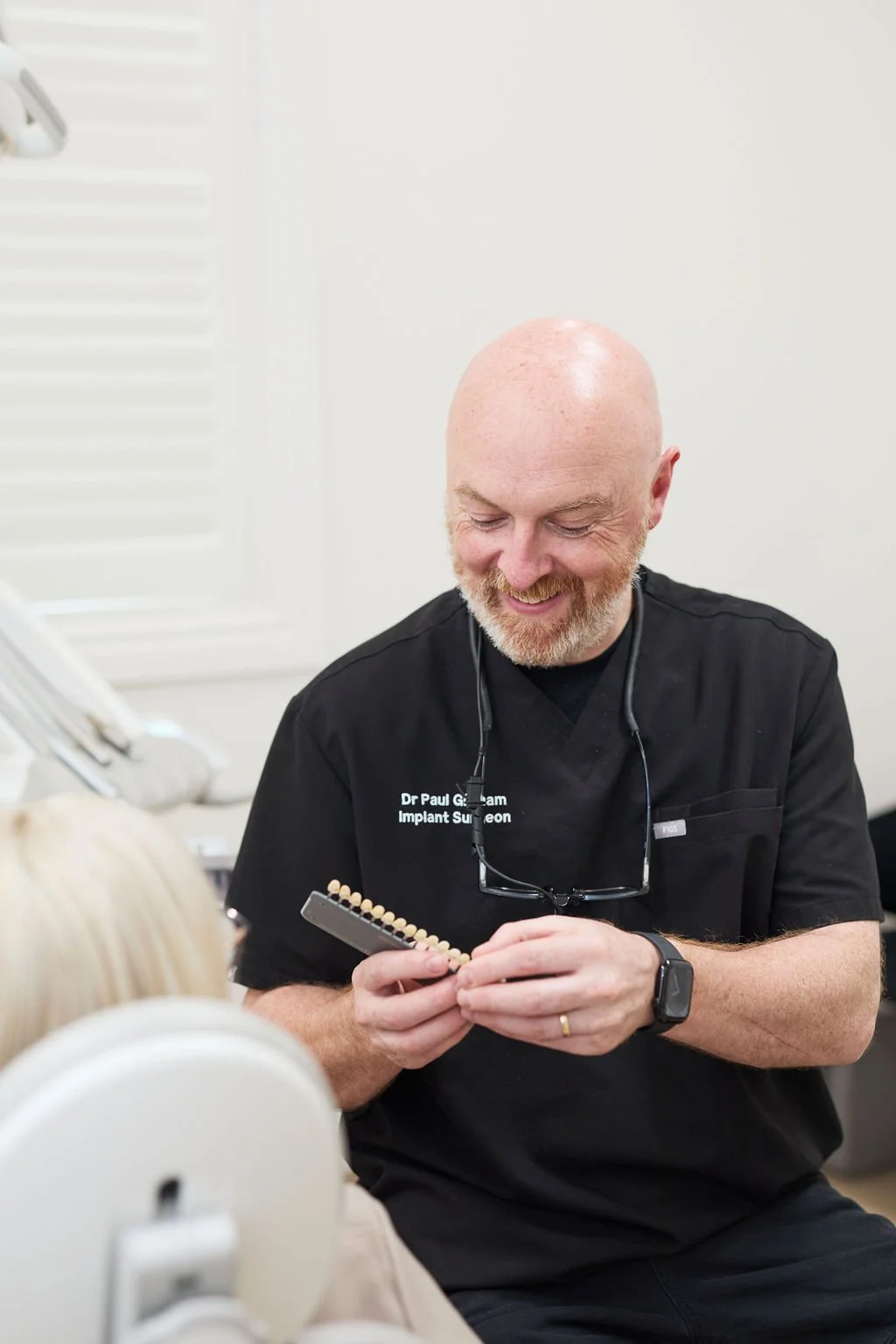
Veneers are often associated with dramatic smile transformations, but many patients considering cosmetic dentistry are not necessarily looking for a completely different smile.
Some simply want chipped edges softened. Others are concerned about uneven colour, worn enamel, or front teeth that appear slightly asymmetrical in photographs. In many consultations, the hesitation is not about whether cosmetic dentistry works. It is whether veneers are truly necessary for the concerns involved.
At The Ruthy Clinic, cosmetic treatment planning begins with understanding the condition of the teeth, the patient’s priorities, and the long-term health of the smile before deciding whether veneers are the most appropriate option.
Patients exploring veneers Launceston treatment are often reassured to learn that cosmetic care can sometimes remain more conservative than they initially expected.
Why Veneers Became So Popular
Porcelain veneers can address several cosmetic concerns simultaneously.
They may improve:
Tooth colour
Shape irregularities
Minor spacing concerns
Surface wear
Chipped enamel
Smile symmetry
Because veneers can create visible cosmetic change relatively efficiently, they became strongly associated with celebrity smile makeovers and aesthetic dentistry online.
However, social media often presents veneers as a universal cosmetic solution without showing the assessment and planning that should occur beforehand.
Cosmetic Concerns Do Not Always Require Veneers
Not every cosmetic concern involves significant structural change to the teeth.
Some patients seeking veneers are primarily bothered by:
Mild discolouration
Slightly uneven edges
Small gaps
Minor crowding
Age-related enamel wear
Existing staining
In some cases, these concerns may respond well to more conservative treatment approaches that preserve additional natural enamel.
The most suitable option depends on the patient’s oral health, bite, cosmetic goals, and the extent of the underlying issue.
Whitening May Sometimes Be Enough
Patients occasionally assume veneers are required when the primary concern is colour rather than tooth shape.
Professional whitening may improve:
Surface staining
General yellowing
Age-related darkening
Discolouration linked to coffee, tea, or smoking
While whitening cannot change the shape or alignment of teeth, it may significantly brighten the smile without altering the natural tooth structure.
Patients discussing cosmetic goals with a cosmetic dentist Launceston provider often discover that whitening alone creates a more refreshed appearance than they expected.
Composite Bonding Can Be a More Conservative Alternative
Composite bonding uses tooth-coloured resin to refine selected areas of the teeth.
This approach may sometimes be considered where concerns involve:
Small chips
Uneven edges
Minor spacing
Subtle contour irregularities
Conservative cosmetic enhancement
Compared with porcelain veneers, bonding may involve less alteration of the natural enamel in some cases.
However, bonding also has limitations. Long-term durability, staining behaviour, bite forces, and maintenance expectations all influence whether it is the most appropriate choice.
Orthodontic Treatment May Address the Actual Problem
Some patients request veneers because their teeth appear crowded, uneven, or protrusive.
Where tooth position is the primary concern, orthodontic treatment may sometimes provide a healthier long-term approach than reshaping the teeth cosmetically.
This is particularly relevant where:
The bite is unstable
Teeth overlap significantly
Crowding affects cleaning access
The enamel is otherwise healthy
The patient wishes to preserve tooth structure
Smile planning often involves discussing whether alignment, whitening, bonding, or veneers best address the underlying concern rather than choosing the most visually dramatic option first.
Veneers Still Have an Important Role in Cosmetic Dentistry
A conservative approach does not mean veneers are inappropriate.
For some patients, veneers remain a highly suitable treatment where concerns involve:
Significant enamel wear
Multiple cosmetic issues occurring together
Long-term discolouration resistant to whitening
Tooth shape discrepancies
Existing restorations affecting aesthetics
Smile rehabilitation planning
The goal is not to avoid veneers entirely, but to determine when they genuinely support both cosmetic and functional outcomes.
Why Enamel Preservation Matters
One of the most common concerns patients express online is fear of unnecessary removal of healthy tooth structure.
Porcelain veneers may require some enamel preparation depending on the starting position, colour, and alignment of the teeth.
This is why careful case selection matters.
Patients with heavily worn teeth, uneven restorations, or existing damage may have very different treatment considerations compared with someone whose teeth are structurally healthy.
Conservative planning generally aims to preserve as much healthy enamel as reasonably possible while still achieving the desired cosmetic outcome.
Cosmetic Dentistry Should Consider More Than Photographs
Some cosmetic dental work appears appealing in static images but functions poorly during speech, chewing, or long-term wear.
Smile planning usually involves evaluating:
Bite dynamics
Jaw movement
Speech patterns
Tooth wear
Gum health
Facial proportions
Existing restorations
Patients sometimes describe cosmetic work online as feeling “too bulky” or unnatural. In many situations, this reflects cosmetic treatment that was designed visually without enough consideration of function and facial harmony.
Trend-Based Cosmetic Decisions Can Lead to Regret
Online cosmetic trends can create pressure to pursue dramatic changes quickly.
However, trends rarely account for:
Age-related facial changes
Existing dental health
Grinding habits
Long-term maintenance
Individual facial features
Future restorative needs
Some patients later feel disconnected from cosmetic results that no longer reflect their natural appearance.
For this reason, many people prefer aesthetic dentistry that refines rather than completely alters the smile.
A More Individualised Approach to Smile Planning
Two patients with similar cosmetic concerns may still require completely different treatment recommendations. During a consultation with a dentist Launceston, patients often discover there may be several suitable treatment pathways depending on their goals, oral health, and existing tooth structure.
One patient may benefit from whitening and minor bonding. Another may require orthodontic alignment before cosmetic work. A third may be best suited to veneers because of extensive wear or existing restorations.
Individualised planning usually considers:
The patient’s cosmetic goals
Long-term oral health
Bite stability
Existing enamel condition
Maintenance expectations
The amount of desired change
This process helps avoid overtreatment while still supporting meaningful cosmetic improvement.
H3 Cosmetic Consultations Across Greater Launceston
Patients often attend cosmetic consultations in Launceston when they are uncertain whether veneers are necessary for concerns involving staining, worn edges, asymmetry, or ageing dental work.
People from Riverside, Legana, Trevallyn, and Newstead commonly seek guidance around conservative cosmetic options that still improve smile appearance while preserving long-term oral health.
Many patients appreciate having the opportunity to explore different treatment pathways before committing to irreversible cosmetic procedures.
Disclaimer: The information in this article is for general educational purposes only and does not replace personalised dental advice. Cosmetic treatment suitability varies between individuals depending on oral health, enamel condition, bite function, and aesthetic goals. Always consult a qualified dental practitioner regarding your treatment options and long-term dental care needs.