
Why Your New Crown, Bridge or Invisalign Should Feel Comfortable — And What to Do If It Doesn't
A new Invisalign aligner, dental crown, or bridge may feel different during the first few days as your mouth adjusts, but it should not remain painful, excessively bulky, or interfere with your bite. At The Ruthy Clinic, careful treatment planning, bite assessment, and follow-up care help ensure restorations and aligners feel comfortable while supporting long-term oral health.
One of the most common concerns after dental treatment isn't whether it looks good.
It's whether it feels right.
Patients often describe a new restoration as feeling "too high", "bulky", or simply "strange". Others begin wearing Invisalign aligners and wonder whether the pressure they're experiencing is normal or whether something has gone wrong.
These questions are understandable.
Whenever something changes inside your mouth, your brain notices it immediately. The challenge is knowing the difference between a normal period of adjustment and something that deserves further attention.
At The Ruthy Clinic, helping patients understand those differences is just as important as providing the treatment itself.
Not Every New Sensation Means There's a Problem
Your mouth is remarkably sensitive.
Even very small changes to the way your teeth meet can feel significant during the first few days.
That doesn't necessarily mean the treatment is incorrect.
A new crown may initially feel more noticeable simply because it replaces a tooth that has been broken or heavily restored. A bridge may feel unfamiliar because your tongue now touches a surface that wasn't there before. Invisalign aligners apply gentle, continuous pressure to move teeth, so some awareness of the aligners, particularly after changing to a new set, is entirely expected.
For most people, these sensations become much less noticeable as they adapt.
Why Bite Matters More Than Many People Realise
One concern appeared repeatedly in patient discussions online.
"My bite feels different."
This deserves attention because your bite influences far more than chewing.
When teeth meet evenly, the jaw can function comfortably and biting forces are shared appropriately. If a crown sits slightly higher than intended or a restoration alters the way your teeth come together, it may create ongoing discomfort rather than temporary awareness.
This is why careful bite assessment forms an important part of restorative treatment.
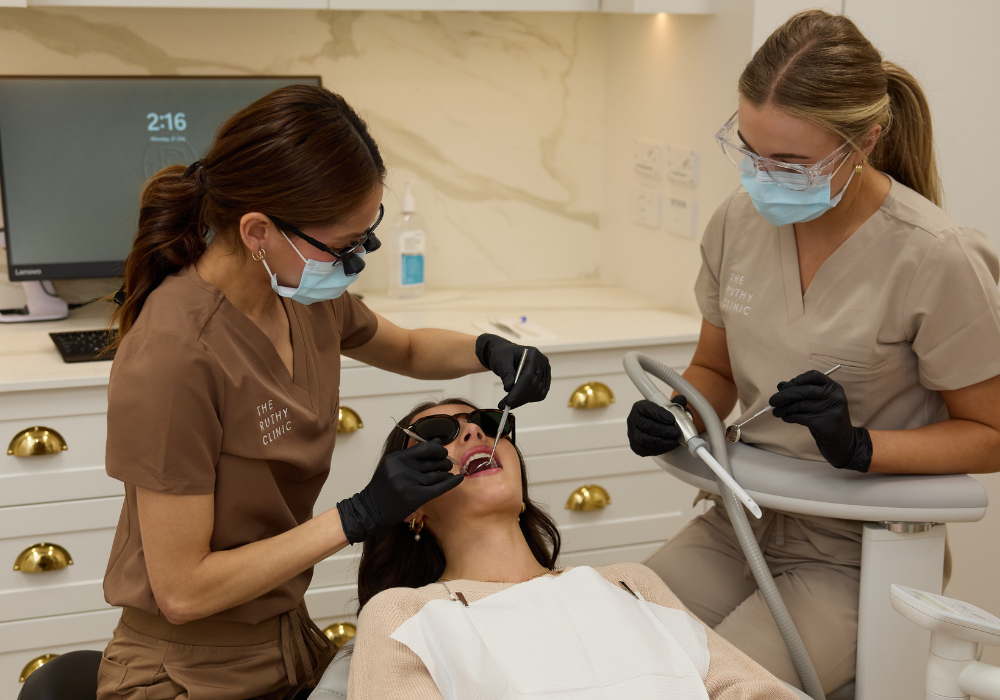
Before your final restoration is completed, we check how your teeth come together naturally and make adjustments where required so the restoration integrates comfortably with your existing bite.
Invisalign Feels Different for a Different Reason
Unlike crowns or bridges, Invisalign is designed to move teeth.
That movement naturally creates periods of gentle pressure, particularly when changing to a new aligner.
Patients beginning Invisalign Launceston treatment often expect the aligners themselves to be uncomfortable, when in reality the pressure is usually a sign that tooth movement is occurring as planned.
The experience often becomes easier after the first few days, and most patients adapt surprisingly quickly to wearing the aligners throughout the day.
What matters most is understanding what is expected before treatment begins.
A Restoration Should Feel Like Part of Your Smile
Whether you're receiving a crown or replacing a missing tooth with a bridge, the goal isn't simply repairing a tooth.
It's restoring comfort.
A well-designed restoration should allow you to smile, chew, and speak without constantly reminding you that dental treatment has taken place.
Patients considering dental crowns and bridges Launceston are often reassured to learn that careful planning includes much more than creating something that looks natural. Colour matching, bite assessment, contour, and overall fit all contribute to how comfortable a restoration feels once it's in place.
When Should You Contact Your Dentist?
While a short adjustment period is expected, some situations deserve review rather than waiting for them to improve on their own.
It is worth contacting your dental team if you notice:
pain that becomes progressively worse instead of improving
a bite that consistently feels uneven
difficulty chewing because one tooth contacts before the others
a crown or bridge that feels loose
an aligner that no longer fits as expected
irritation that continues well beyond the normal adjustment period
Early assessment often allows small concerns to be resolved before they become larger problems.
Why Follow-Up Care Matters
Treatment doesn't end when a crown is cemented or the first Invisalign aligner is fitted.
Monitoring progress allows small adjustments to be made when needed and gives patients the opportunity to ask questions as they become familiar with their treatment.
Whether reviewing how a bridge is functioning, checking that aligners are tracking correctly, or confirming that a crown has settled comfortably into your bite, follow-up appointments help ensure treatment continues to support your long-term oral health.
Seeing an experienced dentist Launceston throughout this process provides continuity of care and reassurance that any concerns can be addressed promptly.
Looking Beyond the First Few Days
One of the biggest misconceptions is that treatment should feel completely natural from the moment it is completed.
In reality, your mouth often needs a little time to adapt.
The important question isn't whether something feels different.
It's whether it continues to improve.
Understanding this distinction helps patients feel more confident during the early stages of treatment while recognising when additional review may be helpful.
Supporting Comfortable Dentistry Across Greater Launceston
Patients visit our dental clinic Launceston for many different restorative and orthodontic treatments, but they often share the same goal: they want treatment that feels as natural as it looks.
People from Riverside, Prospect, Newstead, Kings Meadows, and Invermay regularly visit The Ruthy Clinic for personalised care that considers comfort, function, and long-term oral health throughout every stage of treatment.
Questions Patients Often Ask
Is it normal for Invisalign to feel tight when I change aligners?
Yes. Gentle pressure is commonly experienced when starting a new aligner because the teeth are beginning their next stage of planned movement. This usually settles over the following few days as your teeth adjust.
My new crown feels higher than my other teeth. Will it settle by itself?
Some restorations feel more noticeable immediately after placement because your mouth is adapting. However, if your bite feels uneven or one tooth consistently contacts before the others, it is worth arranging a review so your dentist can assess whether an adjustment is needed.
Why does my bridge feel larger than I expected?
A bridge replaces missing tooth structure, so your tongue may notice it initially. Most patients adapt as they become familiar with the restoration. If it continues to feel bulky or affects your speech or eating after the adjustment period, your dentist should reassess the fit.
Should I keep wearing my Invisalign aligners if they feel uncomfortable?
Mild pressure is expected, but significant pain, aligners that no longer fit properly, or any damage to the aligners should be reviewed. Contact your dental team before making changes to your treatment schedule.
How long does it usually take for a crown, bridge or Invisalign to feel normal?
Everyone adapts at a different pace. Many people notice improvement within the first several days, while others may take a little longer depending on the treatment provided. If your comfort isn't gradually improving or you have ongoing concerns, a review appointment can help determine whether an adjustment is required.
Disclaimer: The information in this article is for general educational purposes only and should not replace personalised dental advice. Every patient adapts differently to restorative and orthodontic treatment. If you experience ongoing discomfort, changes to your bite, or concerns about your crown, bridge, or aligners, seek advice from a qualified dental professional for an individual assessment.