
Does a Night Guard Stop Teeth Grinding or Only Protect the Teeth?
A night guard does not necessarily stop the jaw muscles from clenching or grinding during sleep. Its main role is usually to create a protective barrier between the teeth, reduce direct wear, and distribute pressure more evenly. The most suitable appliance depends on the patient’s symptoms, tooth wear, bite, jaw health, and sleeping habits.
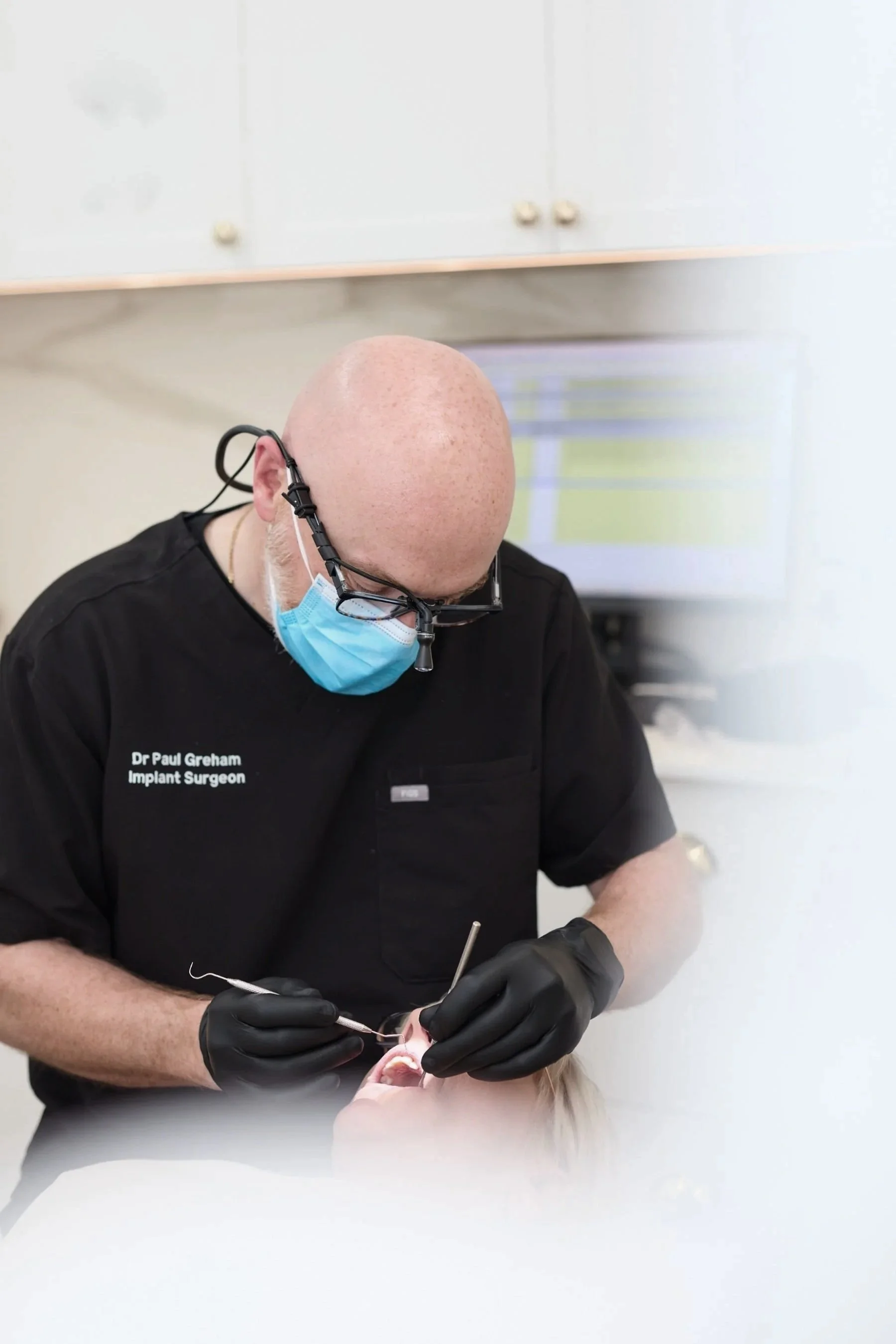
A night guard is often recommended after a dentist notices flattened tooth edges, small enamel fractures, worn fillings, or other changes associated with clenching and grinding.
The recommendation can come as a surprise. Some patients have never heard themselves grind their teeth. They may not wake with jaw pain, and a sleeping partner may not have noticed any sound. Understandably, this can lead to questions about whether an appliance is genuinely necessary and what it is expected to achieve.
The most important distinction is that a night guard does not always stop the muscles from clenching or the jaw from moving. Its primary purpose is usually to protect the teeth and restorations from direct contact while helping manage the forces placed through the bite.
At The Ruthy Clinic, discussions about mouthguards Launceston care begin with understanding what has been happening to the teeth, jaw muscles, and bite. The appliance itself is only one part of that assessment.
Grinding and Clenching Are Not Quite the Same
Teeth grinding and jaw clenching are commonly grouped under the term bruxism, but they can affect the mouth in different ways.
Grinding involves movement between the upper and lower teeth. This can gradually flatten the biting surfaces, shorten tooth edges, and wear through enamel or restorative materials.
Clenching involves holding the teeth together with sustained pressure, often without obvious movement or sound. Someone may clench during sleep, while concentrating, driving, exercising, or responding to stress without being aware of the habit.
Both patterns can place considerable pressure on the teeth and surrounding structures. Possible signs include:
Flattened or polished areas on the teeth
Chipped enamel
Cracked teeth or restorations
Morning jaw tightness
Tender facial muscles
Tooth sensitivity
Headaches around the temples
Indentations along the tongue or cheeks
A tired feeling in the jaw after waking
These findings do not always prove that bruxism is the only cause. Tooth wear can also be influenced by acidic exposure, ageing enamel, bite relationships, habits, and previous dental treatment. A careful examination helps place the signs into context.
What a Night Guard Is Designed to Do
A night guard, sometimes called a dental splint or occlusal splint, is worn over the teeth while sleeping.
Depending on its design, it may help:
Separate the upper and lower teeth
Reduce direct enamel-to-enamel contact
Protect crowns, veneers, fillings, and natural teeth
Spread biting pressure across the appliance
Provide a smoother surface for jaw movement
Make changes in grinding activity easier to monitor
The guard absorbs or redirects some of the contact that would otherwise occur directly between the teeth. Wear marks on the appliance can therefore develop instead of similar damage occurring on the enamel or restorations.
This protection can be valuable, particularly when a patient has already experienced repeated chipping, fractures, worn fillings, or progressive shortening of the teeth.
However, the appliance does not switch off the muscles responsible for clenching. A person may still apply pressure while wearing it.
Why Protection Still Matters If Grinding Continues
Patients sometimes question the value of an appliance if it does not completely stop the habit.
The benefit lies in changing where the force is received.
Without protection, repeated tooth-to-tooth contact can gradually remove enamel. Unlike skin or bone, lost enamel does not regrow. Once tooth structure has worn away, restorative treatment may eventually be required to rebuild shape, support the bite, or protect vulnerable surfaces.
Grinding can also affect existing dental work. Fillings may chip or become worn, crowns can fracture, and cosmetic restorations may experience repeated loading.
A night guard creates a replaceable surface between the teeth. The appliance itself may show wear over time, but it can be reviewed, adjusted, repaired, or remade if necessary.
This does not guarantee that damage will never occur. It provides a protective strategy intended to reduce direct stress on the teeth.
A Sports Mouthguard Is Not the Same as a Night Splint
One of the most persistent areas of confusion is the difference between a sports mouthguard and an appliance designed for sleep.
A sports mouthguard is intended to cushion the teeth, lips, and jaw against sudden impact. It is commonly made from a softer, more flexible material that absorbs force during contact sport.
A night splint is designed around sustained bite pressure, jaw movement, fit, and the way the opposing teeth contact the appliance while a person sleeps.
Using a soft sports guard for grinding may not provide the same stability or durability. Some patients may also find themselves chewing into a soft material, which can increase muscle activity or wear through the guard quickly.
A device purchased from a pharmacy may offer temporary separation between the teeth, but its fit, thickness, retention, and effect on the bite can vary.
The fact that two appliances cover the teeth does not mean they serve the same clinical purpose.
Why Someone May Grind Through a Guard Quickly
Some people notice deep marks in a night guard within weeks. Others describe chewing through soft appliances or repeatedly damaging the same area.
Rapid wear may relate to:
The intensity of the grinding or clenching
The appliance material
An uneven contact point
Changes in the bite
Poor retention or fit
Concentrated pressure over a small area
Chewing into a flexible guard
The age and condition of the appliance
Visible wear does not automatically mean the device has failed. It may demonstrate the pressure that would otherwise have been directed onto the teeth.
Even so, a guard that develops holes, cracks, distortion, sharp areas, or significant thinning should be reviewed rather than worn indefinitely.
An appliance may need adjustment, replacement, or a different material depending on what is found.
Does a Night Guard Help Jaw Pain?
Some patients experience less muscle fatigue or morning jaw discomfort when wearing a well-designed splint. Others notice little change, and a small number may initially feel that their bite or muscles are different.
Jaw pain is complex. It may involve the jaw joints, facial muscles, tooth problems, bite changes, injury, arthritis, or habits such as clenching.
A night guard may form part of care where grinding contributes to the symptoms, but it is not a universal treatment for every cause of facial pain.
Assessment may consider:
Where the discomfort is located
Whether the jaw clicks, locks, or feels restricted
When symptoms are most noticeable
The presence of headaches or ear-area discomfort
Muscle tenderness
Tooth wear and restoration damage
Changes in how the teeth meet
Previous jaw injury
Sleep quality and related symptoms
Patients with persistent jaw pain may require broader evaluation rather than relying only on an appliance.
The Connection Between Grinding and Sleep
Sleep-related grinding can occur without conscious awareness. The first clue may come from a partner hearing the noise or a dentist noticing wear during an examination.
Sleep quality may also be relevant. Grinding can sometimes occur alongside disrupted sleep, snoring, certain sleep disorders, stress, medication use, or changes in routine.
A night guard protects the teeth, but it does not diagnose or treat every underlying sleep-related factor.
Patients should mention symptoms such as:
Loud snoring
Waking frequently
Gasping or choking during sleep
Morning headaches
Excessive daytime tiredness
Dry mouth on waking
Difficulty concentrating during the day
These concerns may warrant discussion with an appropriate healthcare professional. A dental appliance intended to protect teeth should not be assumed to address a possible breathing or sleep condition unless it has been designed and prescribed for that purpose.
How Dentists Identify Possible Grinding
Patients are sometimes doubtful when a dentist raises grinding for the first time.
A recommendation should not depend on a single worn edge. Dentists may look for a pattern of findings across the teeth, muscles, restorations, and patient history.
Possible indicators include:
Matching wear facets on opposing teeth
Flattened canine or incisor edges
Small enamel fractures
Cracks around large fillings
Repeated restoration damage
Thickening or tenderness of the jaw muscles
Gum recession or changes near heavily loaded teeth
Morning facial tension
Reports from a sleeping partner
Photographs, scans, study models, or comparisons between appointments may help show whether wear is progressing.
A dentist Launceston consultation should give patients an opportunity to see what has been observed and understand why an appliance is being discussed.
What a Custom Night Guard Appointment May Involve
The first stage is usually an examination of the teeth, gums, bite, jaw movement, and existing restorations.
If a custom appliance is considered suitable, impressions or digital scans may be taken. These records are used to create a guard shaped around the individual teeth rather than relying on a standard mould.
At the fitting appointment, the dentist may assess:
How securely the guard sits
Whether there are pressure points
How the opposing teeth contact it
Whether jaw movement feels stable
Whether the edges irritate the gums, cheeks, or tongue
Whether instructions for wear and care are understood
The guard may require adjustment after the patient has worn it at home. A device that feels overly tight, creates persistent soreness, repeatedly falls out, or changes the bite should be reviewed.
Getting Used to Sleeping With an Appliance
Even a carefully fitted guard can feel unfamiliar initially.
Patients may notice:
Increased saliva
Awareness of having something in the mouth
Mild pressure around the teeth
Difficulty settling during the first few nights
Temporary changes in speech before bed
A need to adjust their usual sleeping routine
These sensations often improve as the appliance becomes familiar. Persistent pain, gagging, gum irritation, jaw discomfort, or a noticeable bite change should not simply be accepted as part of adaptation.
The aim is for the appliance to feel secure and manageable enough to wear consistently.
Consistent Wear and Ongoing Review
A night guard cannot protect the teeth while it remains in its case.
Patients who wear an appliance only when symptoms are severe may still expose their teeth to repeated pressure on other nights. The recommended schedule depends on the reason it was prescribed and the clinical findings.
The device also needs care. General instructions may include:
Rinsing it after use
Cleaning it as directed
Allowing it to dry before storage
Keeping it away from heat
Storing it safely away from pets
Bringing it to dental review appointments
Checking for cracks, rough areas, or changes in fit
Hot water can distort some materials. Harsh household cleaners may also damage the surface or leave unsuitable residues.
During routine visits at a dental clinic Launceston, the appliance can be checked alongside the teeth and restorations it is intended to protect.
A Night Guard Does Not Replace Broader Dental Care
Grinding damage may overlap with other conditions.
Sensitivity could arise from worn enamel, a cracked tooth, gum recession, decay, or a damaged filling. Jaw discomfort may have muscular, joint-related, dental, or medical contributors. Headaches can also have many causes unrelated to bruxism.
A protective appliance should therefore sit within a broader care plan rather than becoming the default explanation for every symptom.
Patients with a fractured tooth, significant swelling, severe pain, or sudden bite change may need prompt review through an emergency dentist Launceston service.
Those with extensive wear may also need discussion about whether damaged tooth structure or restorations require separate treatment.
Protection Rather Than a Promise to Stop Grinding
A night guard is best understood as a protective tool.
It may reduce direct wear, shield restorations, distribute contact, and provide useful information about the pressure occurring during sleep. It may also improve comfort for some patients, depending on the source of their symptoms and the appliance design.
What it cannot promise is that the jaw muscles will stop clenching altogether.
At The Ruthy Clinic, the decision to recommend a night guard is based on the individual pattern of wear, symptoms, bite, dental history, and long-term risks to the teeth. The goal is not simply to provide an appliance, but to understand what it is protecting, why protection may be needed, and how the mouth should be monitored over time.
Disclaimer: This article provides general educational information about teeth grinding, jaw clenching, night guards, and dental splints. It does not replace a dental examination, diagnosis, or personalised advice from a qualified healthcare professional. Tooth wear, jaw pain, headaches, and sleep symptoms can have several possible causes. Seek professional assessment if symptoms persist, worsen, or affect eating, sleep, or daily function.