
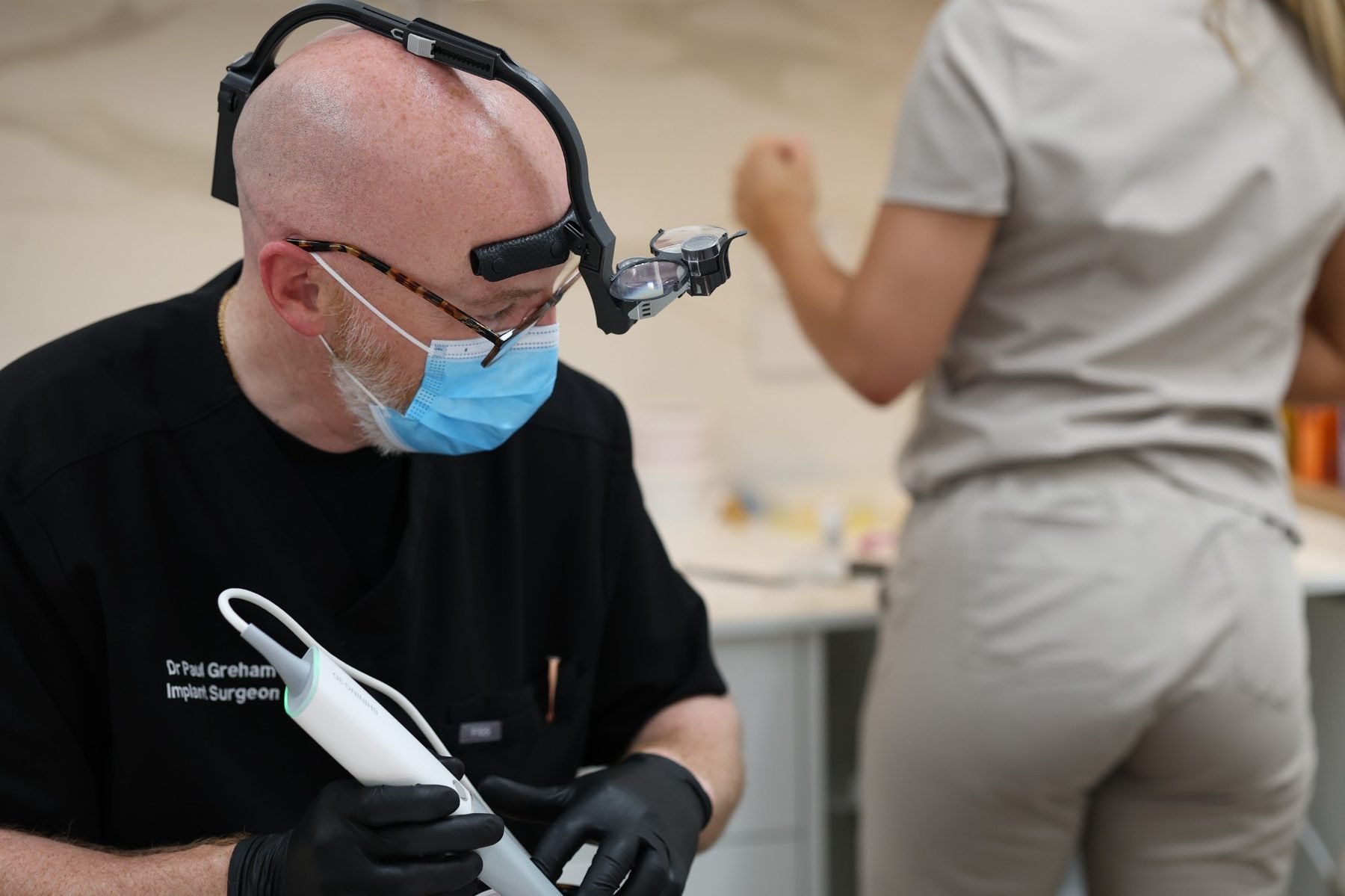
Dental Implants Launceston
Dental implants are a structured solution for replacing missing teeth and restoring both function and appearance.
At The Ruthy Clinic, our implant treatments are carefully planned to maintain natural appearance through personalised assessment and staged care.
Home to the Australian Dentistry Awards Implantologist of the Year 2025 | Dr Paul Greham
Replacing missing teeth with careful implant planning
Dental implants may be suitable for patients who are missing one or more teeth and want a fixed tooth replacement option. At The Ruthy Clinic in Launceston, implant treatment is carefully planned to support chewing function, bite balance, oral health and a natural appearance.
An implant is designed to act as a foundation for a replacement tooth, bridge or denture. Suitability depends on several factors, including bone volume, gum health, medical history, bite forces and the condition of surrounding teeth.
Your implant journey begins with an assessment. From there, your dentist can explain whether implants are suitable, what alternatives exist and what the likely treatment pathway would involve.
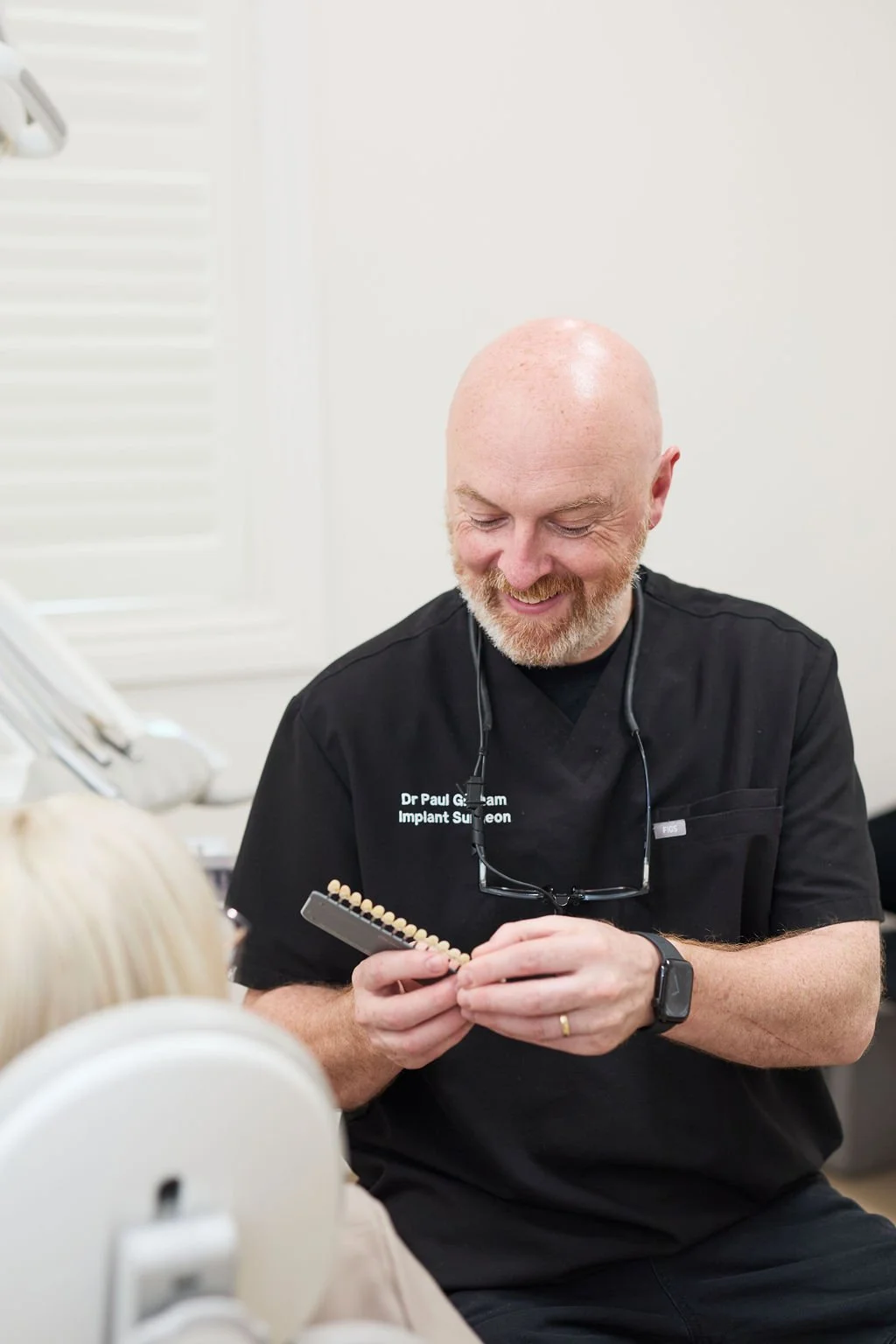
Dental implants may be considered for:
A single missing tooth
Multiple missing teeth
A missing back tooth affecting chewing
Failing teeth that may need replacement
Loose or uncomfortable dentures
Gaps affecting smile confidence
Missing teeth affecting bite balance
Not every patient is suitable for implant treatment. Assessment is required to understand bone structure, gum health, medical factors and long-term maintenance needs.
Tooth replacement options
i. Single dental implant
A single implant may be used to replace one missing tooth, with a custom-made crown attached once the implant has integrated and is ready to restore.
ii. Implant bridge
Where several teeth are missing, implants may be used to support a bridge, depending on the number and position of missing teeth.
iii. Implant-supported denture
For some patients, implants may help improve the stability of a denture. Suitability depends on clinical assessment and treatment goals.
iv. Alternatives to implants
Implants are not the only option. Bridges, dentures and restorative alternatives may also be discussed depending on your oral health, budget, timeline and preferences.
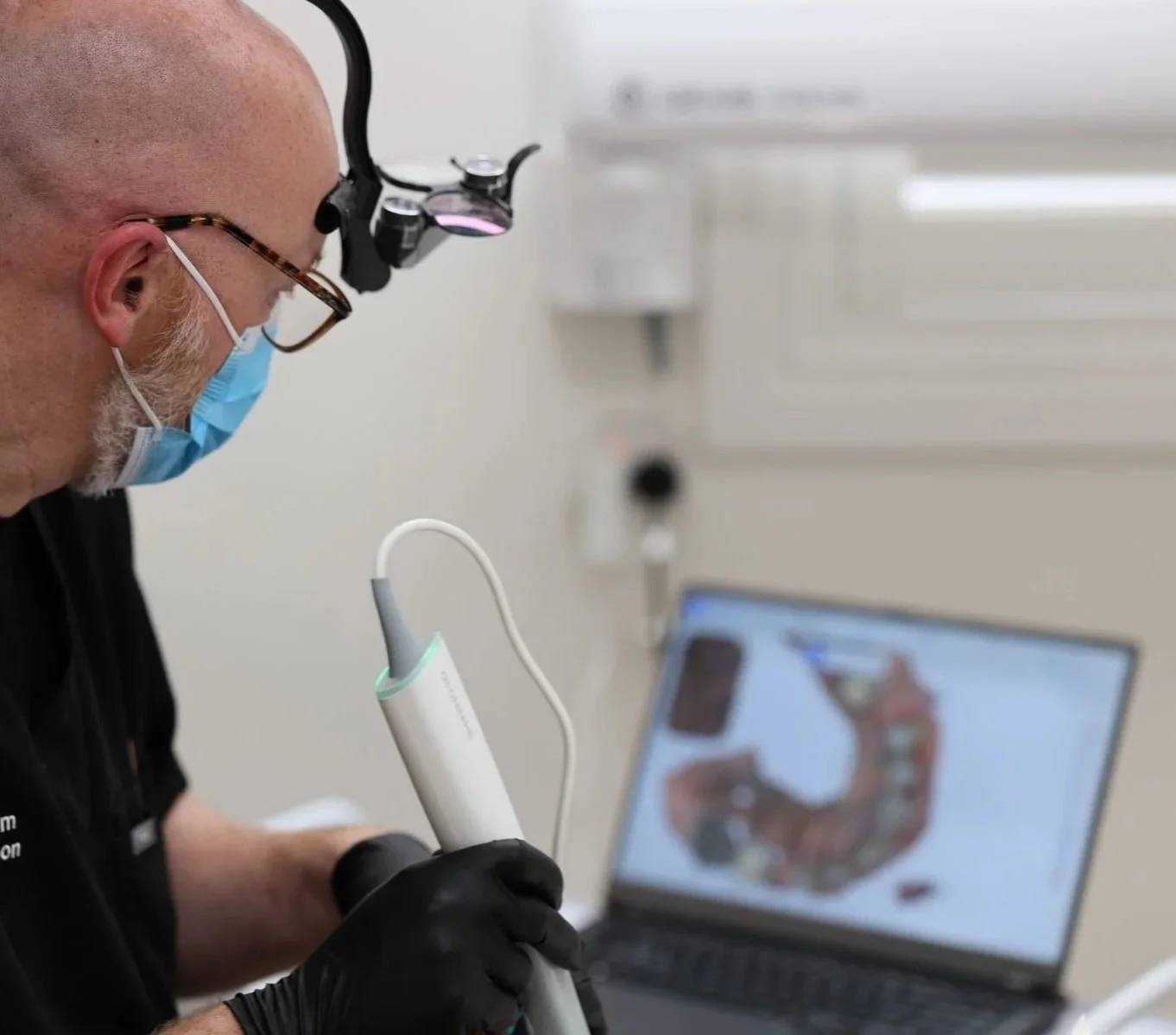
What happens during implant planning?
1. Assessment
Your dentist assesses your teeth, gums, bite, missing tooth area and medical history. Imaging may be needed to review bone volume and anatomy.
2. Treatment planning
If implants may be suitable, your dentist will explain the proposed treatment pathway, likely stages, risks, alternatives and maintenance requirements.
3. Implant placement
Where suitable, the implant is placed in the jawbone. Healing time varies between patients and cases.
4. Restoration
After healing, the implant can be restored with a crown, bridge or denture attachment, depending on the treatment plan.
5. Maintenance
Implants require ongoing care, professional reviews and excellent oral hygiene to support long-term health.
What affects dental implant cost?
DENTAL IMPLANT FEES VARY BY CASE
Dental implant cost depends on the number of teeth being replaced, whether bone grafting or additional treatment is required, the complexity of the case, the type of final restoration and the number of appointments involved.
After assessment, the clinic can provide a personalised treatment estimate and explain the stages involved.
EXPLORE DENTAL IMPLANT OPTIONS
If you have a missing tooth or are considering tooth replacement, book an implant assessment at The Ruthy Clinic in Launceston.
To book a consultation with our dental surgeon, Dr Paul Greham, call us on (03) 6351 5640.
Or, simply fill out the form below and we’ll contact you to arrange a convenient time.
Frequently Asked Questions About Dental Implants
-
Dental implants are usually completed in stages to allow for proper healing and integration with the bone. The overall timeline varies depending on individual factors, including bone health and whether additional procedures are required. During consultation, your dentist Launceston outlines a clear treatment schedule tailored to your situation.
-
Recovery depends on the procedure, your health and any additional treatment such as grafting. Pain, swelling or bruising may limit activities. Follow your individual aftercare instructions, including advice on work, exercise, diet and loading the implant.
-
Over time, missing teeth can influence surrounding structures. Replacing a tooth with a dental implant may help maintain alignment and support jawbone stability. During your assessment, we discuss the most appropriate option based on your long-term oral health goals.
-
Suitability depends on factors such as bone volume, gum health and overall medical history. A comprehensive assessment allows us to determine whether implant treatment is appropriate and to discuss alternative options if required.
Why choose The Ruthy Clinic?
IMPLANT CARE WITH A WHOLE-MOUTH APPROACH
Dental implant planning should consider more than the missing tooth. Your dentist will assess the surrounding teeth, bite forces, gum health, smile line and long-term oral health before recommending treatment.
At The Ruthy Clinic, implant treatment is approached with careful planning, clear communication and attention to natural appearance.